
CPR Tips and Myths
CPR Tips and Myths is a great general knowledge source to help people understand some basic guidelines about CPR.
Topics on CPR facts can make a real difference in everyday life because cardiac emergencies often happen at home, at work, or in public places before medical professionals can arrive. CPR, or cardiopulmonary resuscitation, is a way to help keep blood and oxygen moving through the body when a person’s heart has stopped or they are not breathing normally. For families, co-workers, and all adults, simply understanding the basics can increase confidence and make people more likely to step in during an emergency.
One of the most important CPR facts is that immediate action matters. When the heart stops, every minute without help lowers the chance of survival. Calling emergency services right away and starting CPR as soon as possible can help buy precious time until paramedics arrive. Many people think they must be experts before helping, but even basic assistance can be far better than doing nothing.
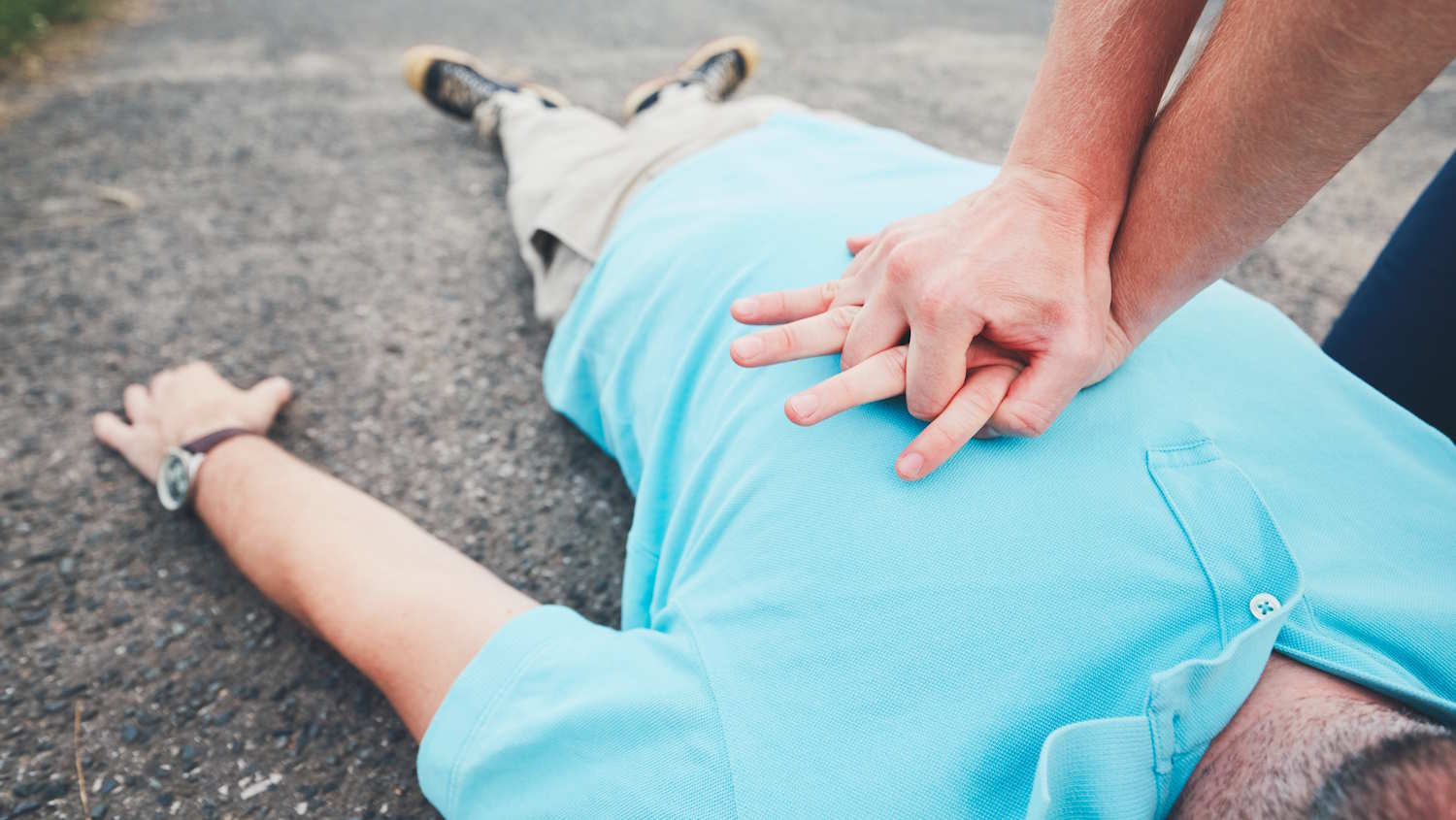
Chest compressions are often the most essential first step for an unresponsive person who is not breathing normally. Strong, steady compressions in the center of the chest help move blood to the brain and vital organs. In many public education campaigns, people are taught “hands-only CPR” for adults, which focuses on chest compressions if they are not trained in rescue breaths.
Another important point is knowing when CPR may be needed. Warning signs can include a person collapsing, being unresponsive, not breathing, or only gasping. Gasping is not normal breathing and should be taken seriously. If the scene is safe, check for responsiveness, call for emergency help, and begin CPR if needed. Quick recognition is one of the most valuable skills a bystander can have.
Many CPR misconceptions prevent people from helping. Some assume they might make the situation worse, but when someone is in cardiac arrest, the situation is already life-threatening. Others believe CPR is only for healthcare workers, yet ordinary people can and do save lives. It is also a misconception that CPR always restarts the heart immediately. In reality, CPR mainly helps keep oxygenated blood circulating until advanced care and possibly a defibrillator can be used.
An automated external defibrillator, or AED, is another lifesaving tool often mentioned alongside CPR. These devices are commonly found in airports, schools, gyms, offices, and other public places. AEDs are designed to be user-friendly, with voice prompts that guide the rescuer step by step. A strong fact to remember is that CPR and AED used together can greatly improve survival chances in certain cardiac emergencies.
CPR can be physically demanding, and that is normal. Effective chest compressions need enough depth and a steady rhythm. If more than one trained or willing helper is present, switching every couple of minutes can help keep compressions strong. Teamwork during an emergency can reduce fatigue and improve the quality of help being given.
Another useful fact is that CPR guidance may differ depending on whether the person is an adult, child, or infant. The overall goal stays the same: support circulation and breathing until help arrives. However, techniques can vary in hand placement, compression depth, and the use of rescue breaths. This is one reason formal CPR training is so valuable, even though basic awareness alone is still helpful.
Some people are surprised to learn that cardiac arrest and a heart attack are not exactly the same thing. A heart attack is usually caused by blocked blood flow to the heart, while cardiac arrest happens when the heart suddenly stops beating effectively. A heart attack can sometimes lead to cardiac arrest, but the two terms are not interchangeable. Knowing this difference is one of those Did You Know? Topics on CPR facts that can improve public understanding.
It is also helpful to know that CPR does not guarantee survival, but it does improve the chance that a person can stay alive until emergency care arrives. That distinction matters because people sometimes feel discouraged by unrealistic expectations. The goal is to act fast, call for help, start compressions, and use an AED if available. Early action by bystanders is one of the most important links in the chain of survival.
In a family setting, CPR awareness can be especially meaningful. Many emergencies happen in the home, where the person needing help may be a spouse, parent, grandparent, or child. Learning basic CPR facts can turn panic into action. Even talking about where emergency numbers are posted, how to unlock doors quickly for responders, or where a nearby AED is located can make a stressful moment easier to manage.
In the workplace, CPR knowledge can help build a safer and more prepared environment. Co-workers are often together for many hours a day, and a fast response can matter enormously. Offices, warehouses, stores, and job sites can all benefit from emergency plans, CPR training opportunities, and clear awareness of first-aid resources. These practical steps are part of the broader value behind Did You Know? Topics on CPR facts.
Here are a few CPR Helpful tips for general preparedness: consider taking an in-person or certified online CPR course, learn where AEDs are located in places you visit often, and save local emergency contact numbers in your phone. It also helps to review CPR basics once in a while, since people can forget details over time. Small preparation steps can build confidence long before an emergency ever happens.
Another fact worth sharing is that fear of legal trouble sometimes stops people from helping, but many places have Good Samaritan protections for people who provide reasonable emergency assistance. (Yes, all 50 states and Washington, D.C. have Good Samaritan laws designed to protect everyday citizens from civil liability when they step in to help in an emergency.
While the foundational purpose of encouraging bystanders to help without fear of being sued remains the same everywhere, the specific rules and protections vary significantly from state to state:
- Who is Covered: Most states protect any bystander, but some limit immunity specifically to individuals with formal first aid or CPR/AED training.
- Medical Professionals: Off-duty doctors and nurses are generally protected, but many states do not shield career first responders (like on-duty EMTs) or protect medical professionals from liability if they are acting within the scope of their typical clinical duties.
- Exceptions to Protection: Immunity only applies if you act in "good faith" (no expectation of compensation). Protections are voided if you commit gross negligence, act recklessly, or cause intentional harm.
- Overdose Immunity: Many states have specific Good Samaritan laws related to drug overdoses. These are designed to encourage people to call 911 by providing callers and overdose victims with limited immunity from minor drug-related charges or probation/parole violations.
For state-specific details (including exact immunity rules and requirements), you can research your exact jurisdiction using the SAFE Project Good Samaritan State Analysis tool. (Note: While these laws protect you from being sued if your attempt to help goes wrong, they typically do not legally obligate you to stop and help someone in an emergency in the first place.)
The best way to become more confident is through practice and repetition. Reading about CPR is useful, but hands-on training can help people remember what to do under pressure. Community classes, hospitals, schools, fire departments, and health organizations often offer CPR instruction. The more familiar CPR becomes, the more likely people are to respond in a calm, helpful, and informed way.
Topics on CPR facts are about empowering ordinary people with knowledge that can save lives. You do not need to be a medical professional to understand the importance of quick action, chest compressions, emergency calls, and AED use. By learning the basics, clearing up CPR misconceptions, and sharing awareness with family and co-workers, adults everywhere can be better prepared to help when it matters most.


Heartstart Heroes CPR & First aid
info@HeartstartHeroes.com or Contact Us
New Boston, Texas 75570
Copyright © 2021 –