
- Home |
- Narcan Unsure Overdose
Narcan Unsure Overdose
If you’re wondering, “Can you use Narcan on someone if you’re not sure they overdosed?” The short answer is yes. In an emergency, if a person is unresponsive, breathing very slowly, making choking or gurgling sounds, or has pinpoint pupils, giving Narcan can be a life-saving step. Narcan is the brand name for naloxone, a medicine that can reverse an opioid overdose. When opioid overdose is possible, acting quickly matters.
A common fear is doing the wrong thing. But if opioids are involved, Narcan may restore breathing and save the person’s life. If opioids are not involved, naloxone is generally Not harmful. That is why many public health agencies encourage people to use it when they suspect an overdose, even if they are not 100% sure what caused the person to collapse. When in doubt, it is better to respond than to wait.
You should also call 911 right away. Narcan is not a substitute for emergency medical care. It can wear off, and the person may stop breathing again after it fades. Even if the person wakes up and seems better, they still need medical help because the overdose can return, especially with strong opioids like fentanyl. Look for common overdose warning signs. These may include very slow breathing, no breathing, blue or gray lips, pale or clammy skin, limp body, inability to wake up, tiny pupils, or strange snoring, gurgling, or choking sounds. If you see these signs, especially after drug use or if drug supplies are nearby, think opioid overdose. In this kind of situation, yes—because delay can be deadly.
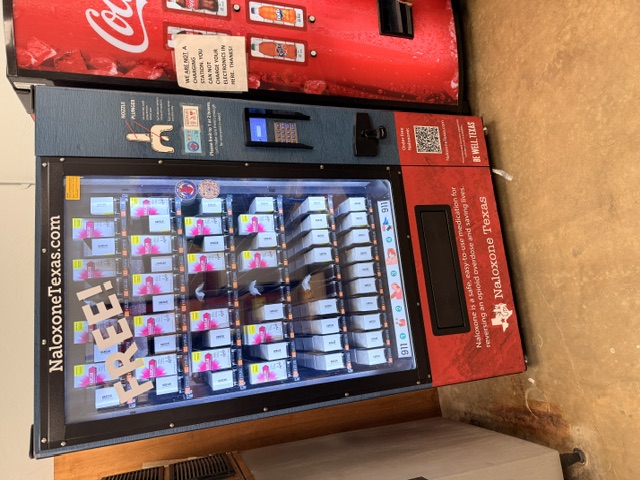
Here is what to do step by step. First, try to wake the person by shouting their name and rubbing your knuckles firmly on the center of their chest. If they do not respond, call 911 immediately. Then give Narcan according to the package directions. Most community kits are nasal sprays. Tilt the person’s head back, place the tip into one nostril, and press the plunger firmly. After giving it, begin rescue breathing if you know how, or follow the 911 operator’s instructions.
After giving the first dose, watch the person closely. If they are not breathing normally, continue rescue breathing if you can. If there is no response in 2 to 3 minutes, give a second dose of Narcan if available. More than one dose may be needed, especially with fentanyl or other strong opioids. Stay with the person until emergency responders arrive, even if they wake up.
It also helps to place the person on their side in the recovery position if they are breathing on their own but still drowsy. This can help keep the airway clear and reduce the risk of choking if they vomit. Try not to let them take more drugs, pills, or alcohol. They may feel confused, sick, or upset when they wake up because naloxone can trigger withdrawal in people who use opioids regularly.
Many people hesitate because they worry about getting in trouble. In many places, Good Samaritan laws offer protection when you call for help during an overdose emergency. There is often no liability issue for giving naloxone in good faith when you are trying to save someone’s life. Laws differ by location, but community overdose programs widely support bystander use of Narcan. Fear should not stop you from making the call and giving the medication.
It is important to understand what Narcan can and cannot do. It works only on opioids, such as heroin, fentanyl, oxycodone, morphine, or hydrocodone. It does not reverse overdoses caused only by alcohol, benzodiazepines, methamphetamine, or cocaine. But because many street drugs are mixed with fentanyl, and because you may not know what a person took, Can you use Narcan on someone if you’re not sure they overdosed? Yes—especially when opioid exposure is possible.
Some people wake up quickly after Narcan. Others may take a few minutes, and some need repeated doses plus breathing support. If the person becomes alert, explain calmly that they overdosed and help is on the way. Encourage them to stay seated or lying down. Because naloxone can wear off in 30 to 90 minutes while the opioid may last longer, they can slip back into overdose after seeming fine at first.
If you are often around someone at risk, keep Narcan where it is easy to find and check the expiration date from time to time. Learn how your specific product works before an emergency happens. Many pharmacies, health departments, and community groups provide naloxone without much difficulty, and some offer brief training. Having it nearby and knowing how to use it can make the difference between panic and action.
The big takeaway is simple: Fast action is far safer than doing nothing while you wait to become certain. In overdose situations, minutes matter.
If you ever witness a possible overdose, trust the signs and respond. Narcan is a practical tool that ordinary people can use to help save a life. It is generally not harmful if opioids are not the cause, and there is often no liability issue when you act in good faith and seek emergency help. When someone’s breathing is failing, you do not need perfect certainty—you need quick action.


Heartstart Heroes CPR & First aid
info@HeartstartHeroes.com or Contact Us
New Boston, Texas 75570
Copyright © 2021 –