
- Home |
- Helpful Articles |
- Why CPR Training Matters
Why CPR Training Matters
Knowing CPR Is Important. Being Ready to Use It Matters Even More.
Most people understand that CPR can save a life. The harder question is whether they would feel prepared to act if someone suddenly collapsed in front of them.
A 2026 American Red Cross survey of 500 U.S. adults found an interesting gap: 80% of respondents said CPR and AED training was very important, but only 25% said they felt very confident they could take action during an emergency.
That difference between knowing something is important and feeling prepared to do something about it is exactly why CPR training matters.
Confidence Comes From Practice
Reading about CPR is useful. Watching a video can help. Learning the steps is important. But none of those things replaces actually practicing the skills.
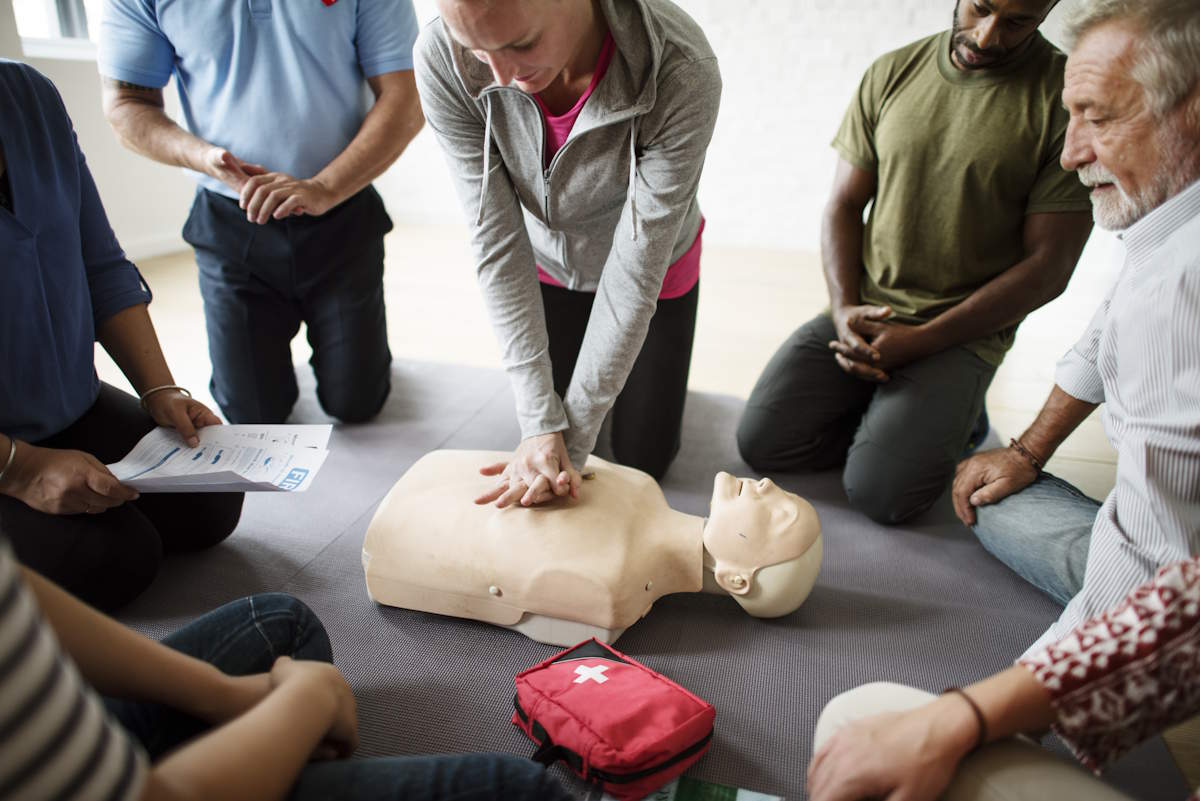
Hands-on training allows you to practice chest compressions, learn how to recognize a cardiac arrest, work with an AED, and become familiar with the sequence of actions you may need to perform during a real emergency.
The goal isn’t to make you memorize a list of instructions and hope your brain cooperates when everything suddenly goes sideways. The goal is to practice the skills until responding feels familiar. That familiarity can help reduce hesitation when every second matters.
Emergencies Don’t Wait for the Perfect Person
One of the biggest misconceptions about CPR is that someone else will know what to do. Maybe a nurse is nearby. Maybe a doctor happens to be there. Maybe an EMT is walking through the building. Maybe someone else has more experience. Sometimes they will. Sometimes they won’t.
Cardiac emergencies can happen at home, at work, in a restaurant, at a sporting event, or in a parking lot. The person who discovers the emergency may simply be an ordinary bystander who happens to be there first. That person doesn’t need to be a physician. They need to recognize the emergency, call 911, begin appropriate CPR, and use an AED when one is available.
You don’t have to be a healthcare professional to be the first person who helps.
AEDs Are Made to Help You Respond
Automated external defibrillators, or AEDs, are designed to guide users through the process of responding to certain cardiac emergencies. The device provides instructions, analyzes the heart rhythm, and determines whether a shock is appropriate. The user follows the device’s prompts and continues CPR as instructed. You don’t need to be an electrophysiologist who has spent 14 years contemplating the mysteries of the human heart. You need to know where the AED is, be willing to use it, and follow its instructions.
The next time you’re in a workplace, school, gym, airport, restaurant, or other public facility, take a moment to notice where the AED is located. Knowing where it is before an emergency can save precious time when an emergency actually happens.
CPR Training Is More Than a Certification Card
A certification card shows that you completed a course. The real value of CPR training is what happens after the class is over. Good training should give you the knowledge, practical skills, and confidence to recognize an emergency and take action. At Heartstart Heroes, we believe CPR training should be more than checking a box for an employer or collecting another card for your wallet. We want you to leave training knowing what to do and feeling prepared to do it. That means practicing the skills, asking questions, receiving feedback, and understanding how those skills apply outside the classroom. Because emergencies don’t happen in classrooms. They happen in real life.
Training Turns Readiness Into Action
The Red Cross survey highlights something important: many people already believe CPR and AED training matters. The challenge is turning that belief into confidence and action. That is where training comes in. The person who needs CPR might be:
- A family member at home
- A coworker
- A friend
- A customer
- A teammate
- A stranger in a public place
You may never know when you’ll be the person who needs to respond. But you can decide beforehand that you’ll be prepared.
Where Real CPR Skills Turn Everyday People Into Heroes.
Heartstart Heroes CPR & First Aid provides hands-on CPR and first aid training designed to help everyday people develop practical skills and the confidence to use them. Don’t train just to get certified. Train to be ready.
View Our CPR & First Aid Classes
Book Your Training
Source
American Red Cross. We Know CPR Saves Lives. So Why Don’t We Do It? May 29, 2026. The survey findings referenced above come from the American Red Cross article and its reported survey of 500 U.S. adults.


Heartstart Heroes CPR & First aid
info@HeartstartHeroes.com or Contact Us
New Boston, Texas 75570
Copyright © 2021 –